


Leaving your fur baby behind when you travel or head to work is one of the hardest parts of pet ownership. But we all need to go on vacation once in a while! You want them safe, comfortable, and genuinely happy. Not just tolerating your absence, but actually doing well. The benefits of in-home pet sitting go far beyond simple convenience. They cover your pet’s emotional health, physical well-being, routine consistency, and even your own peace of mind. In-home pet sitting has grown steadily alongside the rise of dual-income households, and it’s easy to understand why so many pet owners are choosing it over traditional boarding.
Table of Contents
- Key takeaways
- 1. Stress reduction and emotional well-being
- 2. Maintaining consistent diet, exercise, and medical care
- 3. Reduced exposure to illness and parasites
- 4. Personalized one-on-one care and attention
- 5. Home security benefits and peace of mind
- 6. A clear comparison: in-home sitting versus boarding and daycare
- My take: what years of pet care have taught me
- Sparky Steps is here for you and your fur baby
- FAQ
Key takeaways
| Point | Details |
|---|---|
| Stress stays low | Pets remain in their familiar home, which dramatically reduces anxiety and behavioral issues. |
| Routines stay intact | Feeding times, medications, and walks continue exactly as your pet expects them. |
| Health risks drop | No shared spaces with other animals means far less exposure to illness and parasites. |
| One-on-one attention | Your pet gets focused, personalized care rather than shared attention in a group setting. |
| Your home stays safe | A sitter’s presence maintains a lived-in appearance and monitors for household issues. |
1. Stress reduction and emotional well-being
Your pet doesn’t understand why you leave. What they do understand is their environment, their smells, their couch, their favorite window. Keeping them in that familiar space is one of the most compassionate things you can do while you’re away.
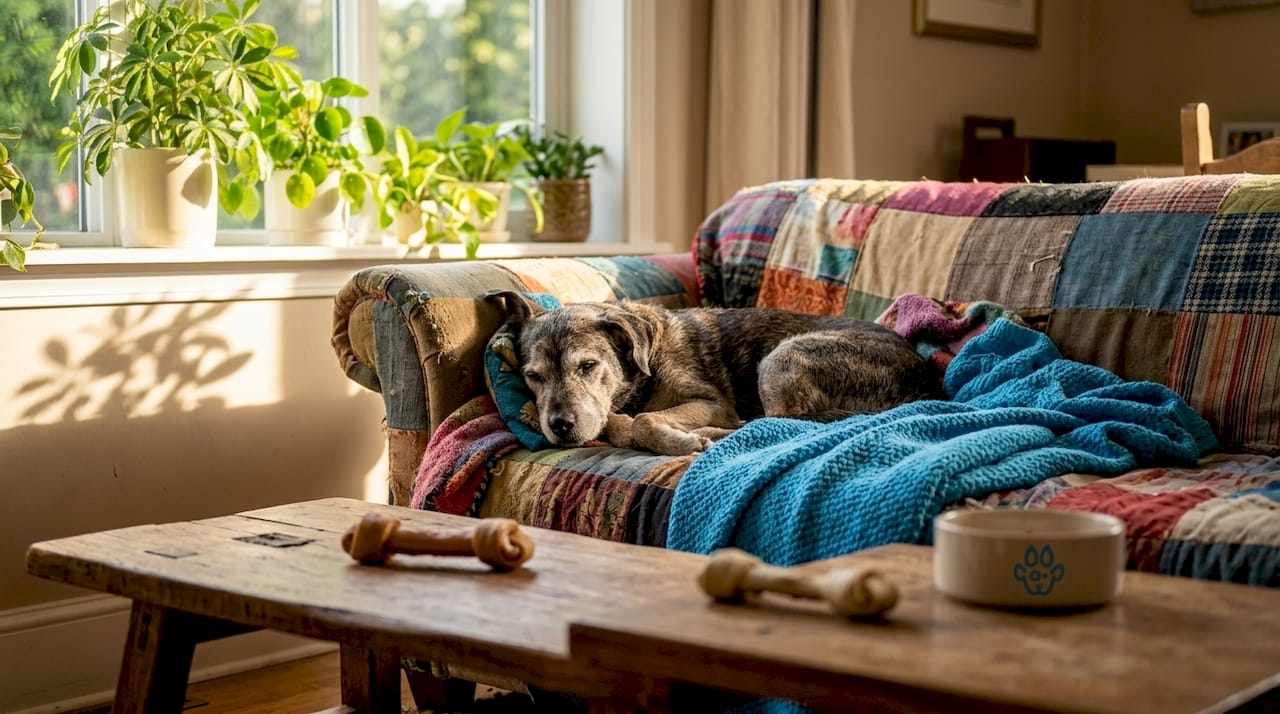
In-home pet sitting significantly reduces stress for pets, especially cats and older dogs who rely heavily on territorial comfort and routine. Boarding facilities, even excellent ones, drop your pet into an unfamiliar space filled with strange sounds, unfamiliar smells, and the constant noise of other animals. That’s a lot to process for any pet.
Here’s what staying home preserves:
- Familiar scents that signal safety and calm
- Consistent sleep spots and resting areas
- Established potty routines and outdoor access
- Familiar sounds from the neighborhood, not a kennel
“Pets thrive on predictability. When the environment stays the same, the emotional load of your absence drops considerably.” This rings true across every breed and temperament, but especially for anxious pets and senior dogs whose stress tolerance has naturally decreased with age.
Chronic stress in pets isn’t just an emotional issue. It can weaken the immune system, disrupt digestion, and trigger behavioral problems that persist well after you return. In-home care breaks that cycle before it starts.
Pro Tip: If your pet has shown signs of anxiety in the past, mention this specifically when onboarding with your sitter. A good sitter will customize their approach to keep your pet feeling calm and secure.
2. Maintaining consistent diet, exercise, and medical care
One of the clearest in-home pet care benefits is the ability to follow your pet’s exact care plan. Not a close approximation. Not “mostly the same.” Exactly what your pet needs.
Professional sitters follow precise feeding schedules, portion sizes, and medication administration as directed by you and your vet. This matters enormously for pets with diabetes, kidney disease, allergies, or weight management plans. A small deviation in a diabetic dog’s feeding time can have real health consequences.
What consistent in-home care looks like in practice:
- Meals served at the same times your pet is used to
- Prescribed medications given accurately, without the chaos of a boarding environment
- Exercise routines maintained, including the specific routes your dog loves
- Playtime customized to your pet’s energy level and preferences
Pro Tip: Leave a written care sheet with your sitter that covers feeding amounts, medication instructions, vet contact information, and your pet’s quirks. The more detail you provide, the better the care your pet will receive.
For pets with health conditions, this precision isn’t a luxury. It’s a necessity. An in-home sitter who knows your pet’s routine can catch when something is off, such as a skipped meal or unusual lethargy, and flag it to you right away.
3. Reduced exposure to illness and parasites
Boarding facilities are clean, but they’re also shared spaces. Multiple animals coming and going means germs, parasites, and viruses travel more easily than most pet owners realize.
Pets cared for at home are less likely to contract kennel cough, gastrointestinal viruses, and parasitic infestations compared to those in group care settings. This is one of the most underappreciated home pet boarding advantages, particularly for senior pets, puppies, and immunocompromised animals whose systems aren’t equipped to fight off what a healthy adult dog might shake off in a day.
| Health Risk Factor | In-Home Pet Sitting | Boarding or Daycare |
|---|---|---|
| Kennel cough exposure | Very low | Higher due to shared airspace |
| Parasitic transmission | Minimal | Possible in shared outdoor areas |
| Gastrointestinal viruses | Rare | More common in group settings |
| Stress-related illness | Low | Moderate to high |
| Immune system impact | Stable | Can be suppressed by stress |
The added benefit here is that lower stress directly supports stronger immune function. Pets who aren’t anxious are better equipped to stay healthy overall, which means fewer vet bills and a happier homecoming for both of you.
Pro Tip: Even with in-home sitting, keep your pet’s vaccinations and flea and tick prevention current. It’s good practice year-round, not just before travel.
4. Personalized one-on-one care and attention
Think about the difference between a private tutor and a classroom of thirty students. Both can be great, but the personalized attention in a one-on-one setting is categorically different. That’s the experience your pet gets with an in-home sitter.
Experts note that in-home pet sitting is preferable for dogs that are fearful or reactive around other animals. In a boarding or daycare environment, reactive pets face constant triggers. At home, they get calm, focused care built around their specific personality.
A dedicated sitter will:
- Learn your pet’s body language and preferences over time
- Notice subtle changes in appetite, energy, or behavior that could signal health issues early
- Provide tailored play and companionship rather than generic group activities
- Build a trusting relationship that your pet recognizes and responds to
“One-on-one attention enables early detection of health and behavior changes that group settings often miss due to divided attention.” This is especially true for early detection of changes in older pets who may show only mild, easy-to-miss signs of discomfort or illness.
That kind of attentive, personalized care is something no group boarding environment can fully replicate. Your pet isn’t competing for attention. They are the only focus.
5. Home security benefits and peace of mind
Here’s a benefit that often surprises pet owners: hiring an in-home sitter doesn’t just protect your fur baby. It protects your home too.
In-home pet sitters help maintain a lived-in appearance by switching lights, collecting mail, adjusting blinds, and monitoring for unusual activity. A home that clearly has someone coming and going is a far less attractive target for opportunistic theft or vandalism.
The practical benefits for your home include:
- Mail and packages collected so they don’t pile up visibly outside
- Lights and window treatments adjusted naturally throughout the day
- Plants watered and general tidying maintained
- Immediate alerts if something unusual happens, such as a water leak or a broken window
Pro Tip: Leave a brief note for your sitter about your home’s quirks, like a tricky lock or a security code, and provide an emergency contact who has access to the property.
The peace of mind this creates for you is real. Instead of refreshing travel apps and wondering if your dog is okay, you can actually enjoy your trip. You know your pet is at home, in their favorite spot, being looked after by someone you trust. That combination of pet care and home security is genuinely hard to put a price on.
6. A clear comparison: in-home sitting versus boarding and daycare
Choosing the right care option depends on your pet’s personality, health, and history. This table gives you a straightforward look at how the options stack up.
| Factor | In-Home Pet Sitting | Boarding Facility | Daycare |
|---|---|---|---|
| Stress level for pet | Low | Moderate to high | Moderate |
| Health risk exposure | Low | Higher | Moderate |
| Routine consistency | High | Low to moderate | Low |
| Personalized attention | High | Low | Low to moderate |
| Home security benefit | Yes | No | No |
| Best for anxious pets | Yes | No | No |
| Best for social pets | Good | Yes | Best |
| Ideal for multi-day absence | Yes | Yes | No |
The choice between boarding and in-home sitting should come down to your individual pet’s personality and safety needs. Highly social dogs who love meeting new dogs can thrive in boarding. But for the majority of pets, especially those who are older, anxious, or managing health conditions, in-home care is the clearly better fit.
My take: what years of pet care have taught me
I’ve worked alongside pet owners in Chicago long enough to say this plainly: conventional boarding isn’t always a bad thing, it can be amazing for specific pets with specfic personalities, but it is overused. People default to it because it’s familiar, not because it’s best for their specific pet.
What I’ve seen repeatedly is that anxious pets, senior dogs, and territorial cats come home from boarding changed in ways their owners didn’t expect. Clingy, skittish, or off their food for days. That’s not just stress. That’s a pet who struggled through an experience that didn’t suit them. That can be tough for the pups and kitties.
The downfall I see most often when people hire in-home sitters is skipping the meet-and-greet. You should always arrange a visit before you leave so your sitter and your pet can get comfortable with each other. You don't want a sitter who just shows up and wings it. You'll want them to understand your pet’s cues, habits, and comfort zones AND most importantly for your pets to understand and know this human who is coming into their lives for a bit while you are away. I always like to say, comfort is sooo important for all parties.
I also want to say this: the emotional benefit of in-home care flows back to you too. Traveling with the knowledge that your pet is genuinely comfortable makes a real difference in how much you can relax and be present wherever you are. The pet sitting benefits for pets are real and well-documented, but the benefit to you as an owner is equally meaningful. You come home to a pet who missed you but wasn’t traumatized by your absence. That’s the goal.
— Michael
Sparky Steps is here for you and your fur baby
If you’re in the Chicago area and you want in-home pet care you can genuinely count on, Sparkysteps has been building that trust since 2016. Every caregiver is background-checked, insured, and trained to follow your pet’s individual care plan down to the details. You get real-time updates, photos, and GPS tracking through the app so you’re never left wondering how your pet is doing.
Whether you need weekend pet sitting or regular weekday care while you work, Sparky Steps offers flexible scheduling built around your life and your pet’s routine. Visit Sparky Steps to explore services, read real owner stories, and connect with a caregiver who will treat your fur baby like their own.
FAQ
What is in-home pet sitting?
In-home pet sitting is a professional care service where a trained sitter visits or stays in your home to care for your pet while you are away. Your pet remains in their own familiar environment rather than being moved to a boarding facility.
How does in-home pet sitting reduce stress for pets?
Pets stay in their own home with familiar smells, routines, and surroundings, which dramatically reduces anxiety compared to the unfamiliar noise and crowding of a kennel environment. This is especially important for older dogs and territorial cats.
Is in-home pet sitting safer than boarding for sick or senior pets?
Yes. In-home care eliminates exposure to contagious illnesses and parasites common in shared boarding spaces, and it allows sitters to follow precise medical routines. Senior and immunocompromised pets benefit most from this reduced health risk.
How do I find a trustworthy in-home pet sitter?
Look for sitters who are background-checked, insured, and experienced with your pet’s species and specific needs. Always schedule a meet-and-greet before your trip so your pet can get comfortable with the sitter before you leave.
Can an in-home pet sitter also look after my home?
Yes. Sitters maintain a lived-in appearance by collecting mail, adjusting lights, and monitoring for household issues, which adds a genuine home security benefit alongside your pet’s care.
Written by the Sparky Steps Team


